Hangiri Sushi Rice Tub Set Review: Traditional Tool, Real Commitment
"The right tool if you are serious about sushi rice. A natural-wood hangiri cools and seasons rice the traditional way, and this set adds a paddle and mat. But wood demands real care, and the larger sizes are a genuine investment, so buy it only if you'll use it."
The 30-Second Pitch ⏱️
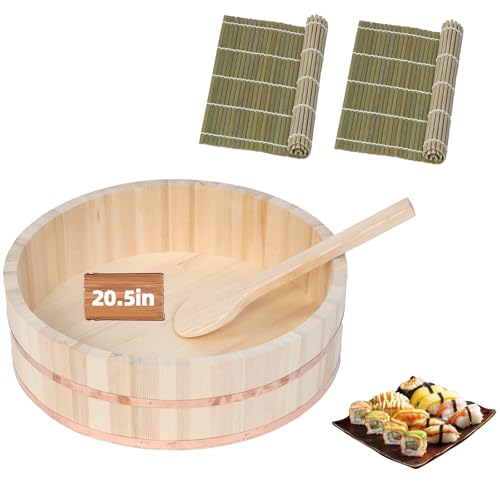
If your homemade sushi rice comes out gummy or wet, the fix is often not the cooker, it is the cooling step. A hangiri (also called a sushi oke) is the wide wooden tub Japanese kitchens have used for generations to cool and season sushi rice. Its natural wood pulls away surface moisture while you fold in the vinegar, and the result is the glossy, separate-but-sticky rice you cannot quite get in a mixing bowl. This set adds a wooden paddle and a bamboo rolling mat, so it is a full starter kit.
Here is the honest part. This is a specialist tool with real upkeep, and the larger sizes are a genuine investment. Wood must be seasoned before first use and dried carefully after every use, or it can crack or mold. Buy this because you make sushi and want to do the cooling step properly, not on a whim.

A quick note on how we review: Grainy does not run a lab. This rating is a synthesized consensus drawn from owner reviews and the manufacturer’s specifications. When we say “owners report,” that is exactly what we mean.
Why the Wood Matters
This is the whole reason a hangiri exists, so it is worth understanding.

Freshly cooked sushi rice is hot and steamy, and it needs to be seasoned with vinegar while it cools. Do that in a deep metal or plastic bowl and moisture has nowhere to go, so the rice can turn sticky and wet. A hangiri solves it two ways: the wide, shallow shape spreads the rice thin so it cools fast and evenly as you cut and fold, and the natural wood absorbs the excess surface moisture instead of trapping it. That combination is what produces the right texture and shine.
If the sushi-rice fundamentals are new to you, our guides on the best rice for sushi, what makes sushi rice different from regular white rice, and the sushi rice vinegar recipe are the place to start. The hangiri is the tool that makes the final step work.
What’s in the Set, and an Honest Note on the Wood
Per the manufacturer, the set includes the wooden tub, a wooden rice paddle (shamoji), and a bamboo rolling mat (makisu), so you have the core kit for cooling rice and rolling maki.
One honest clarification on materials: the listing describes it as natural wood but does not specify a premium wood type such as cypress. So set expectations accordingly. This is a solid, functional working hangiri that does the job a hangiri is meant to do, not necessarily a heritage artisan piece. For most home cooks, that is exactly the right level of tool, and the paddle and mat make it a convenient one-box start.
Good sushi rice still starts at the cooker. A clean-cooking Japanese model like the Zojirushi NS-ZCC10 or a pick from our best rice cooker for sushi roundup and sushi-rice cooker guide gives you the grain to work with; the hangiri finishes it.

Getting the Size Right
The four-size lineup is the easiest place to go wrong, so be deliberate.
- Home cook, two to four people: one of the smaller tubs is right. A too-large tub spreads a small batch into a thin smear that cools before you can season it.
- Entertaining or big batches: step up a size so you have room to cut and fold without rice spilling over.
- Restaurant or event scale: the largest sizes exist for a reason, but they are overkill for a home kitchen.
When in doubt, size to your typical batch, not your biggest-ever ambition. You fold rice better in a tub that is comfortably full than one that is nearly empty.
Performance: What Owners and Specs Actually Say
No test kitchen here, just a synthesis of what owners report and what the specs promise.
| Category | Consensus from owners and specs | Notes |
|---|---|---|
| Rice texture and shine | The whole point | Wood wicks moisture; owners report noticeably better sushi rice |
| Cooling and seasoning | Fast and even | The wide, shallow shape does what a bowl cannot |
| Completeness of set | Convenient | Tub, paddle, and mat cover the basics in one box |
| Care demands | Real | Seasoning and thorough drying are non-negotiable with wood |
| Sizing | Choose carefully | Most disappointment traces back to the wrong size |
| Value | Depends on use | Worth it for regular sushi makers, overkill for the once-a-year cook |
The pattern owners describe is commitment rewarded: treat the wood right and use the correct size, and the rice is genuinely better; skip the care or misjudge the size, and it becomes a fussy shelf ornament.
Who Should (and Shouldn’t) Buy This
Buy it if:
- You make sushi regularly and want the cooling-and-seasoning step done properly
- You want the traditional glossy, separate-but-sticky sushi-rice texture
- You like getting the tub, paddle, and mat together in one kit
- You are willing to season the wood and dry it carefully every time
Skip it if:
- You make sushi rarely (a glass bowl and a fan will do for the once-a-year roll)
- You want zero-maintenance gear (wood is not that)
- You are unsure which size fits your batches (measure your usual amount first)
- You expected a premium named wood; this is honest natural wood, priced accordingly
Care & Longevity Tips 🧹
A wooden hangiri rewards good habits and punishes neglect:
- Season before first use: wipe and soak the tub with water, and many cooks add a splash of rice vinegar, to condition the wood and remove any raw-wood taste.
- Hand wash only, gently: never the dishwasher; harsh heat and detergent crack and warp natural wood.
- Dry completely: towel it, then air-dry, ideally upside down and away from direct heat or sun. Stored damp, wood molds or splits.
- Wipe with a damp cloth before use: a lightly moistened tub keeps rice from sticking and helps it release cleanly. Pair it with proper rice washing technique for the best results.
Grainy’s Verdict 🍙
The hangiri sushi rice tub set is a genuine upgrade for anyone serious about sushi at home. Owner consensus is that the natural wood really does cool and season rice better than a bowl, and having the paddle and mat in the same box makes it an easy starting point.
Just buy it with clear eyes: it is a specialist tool that needs real wood care, the bigger sizes are an investment, and it only pays off if you actually make sushi. Choose the size that fits your batches, commit to the seasoning-and-drying routine, and it will reward you with better rice for years.
Bottom line: the right tool for the committed sushi cook, as long as you pick the correct size and respect the wood care.

As an Amazon Associate we earn from qualifying purchases. Prices and availability change; check the live price before buying. Our rating is a synthesized consensus of owner reviews and manufacturer specifications, not a first-hand lab test.
Related:
- Best Rice Cooker for Sushi →
- Best Rice for Sushi →
- Sushi Rice Vinegar Recipe →
- Sushi Rice vs. Regular White Rice →
- Best Rice Cookers for Sushi Rice 2026 →
We evaluate kitchen products independently. To learn more about our standards, read our Editorial Policy.
✅ Pros
- Natural-wood tub wicks excess moisture for glossy, properly textured sushi rice
- Set includes a wooden rice paddle (shamoji) and a bamboo rolling mat (makisu)
- The wide, shallow shape cools and seasons rice faster and more evenly than a bowl
- Offered in several sizes, from home dinners to restaurant-scale service
- The traditional design many Japanese kitchens have used for generations
❌ Cons
- Real wood care required: season before first use, dry fully, or it can crack or mold
- A genuine investment, especially in the larger sizes
- A specialist tool; not worth it unless you make sushi fairly regularly
- Listing spans four sizes, so it is easy to order a tub that is too big or too small
- Natural wood, with no premium wood type specified, so treat it as a solid working tool, not an heirloom cypress piece
Frequently Asked Questions
What does a hangiri actually do for sushi rice?
A hangiri is a wide, shallow wooden tub for cooling and seasoning cooked rice with sushi vinegar. Two things make it work: the broad surface lets you spread the rice so it cools quickly and evenly as you fold in the vinegar, and the natural wood absorbs excess surface moisture, which is what gives sushi rice its glossy, separate-but-sticky texture. A metal or plastic bowl cannot wick moisture the same way.
Which size should I buy?
Match the tub to your batch. The smaller sizes suit a home cook making sushi for a few people; the larger ones are built for big gatherings or restaurant service. A tub that is too large leaves rice in a thin, fast-cooling smear; too small and you cannot fold properly. If you mostly make dinner for two to four, choose one of the smaller options rather than the largest.
Is a wooden hangiri hard to take care of?
It needs real attention. Before first use, most wooden tubs should be wiped and soaked with water (some cooks add a little rice vinegar) to season the wood and remove any rough taste. After each use, hand wash gently, never in a dishwasher, and dry it completely, ideally upside down and away from direct heat. Stored damp, natural wood can mold or crack. Treated well, it lasts for years.
🍚 You Might Also Like
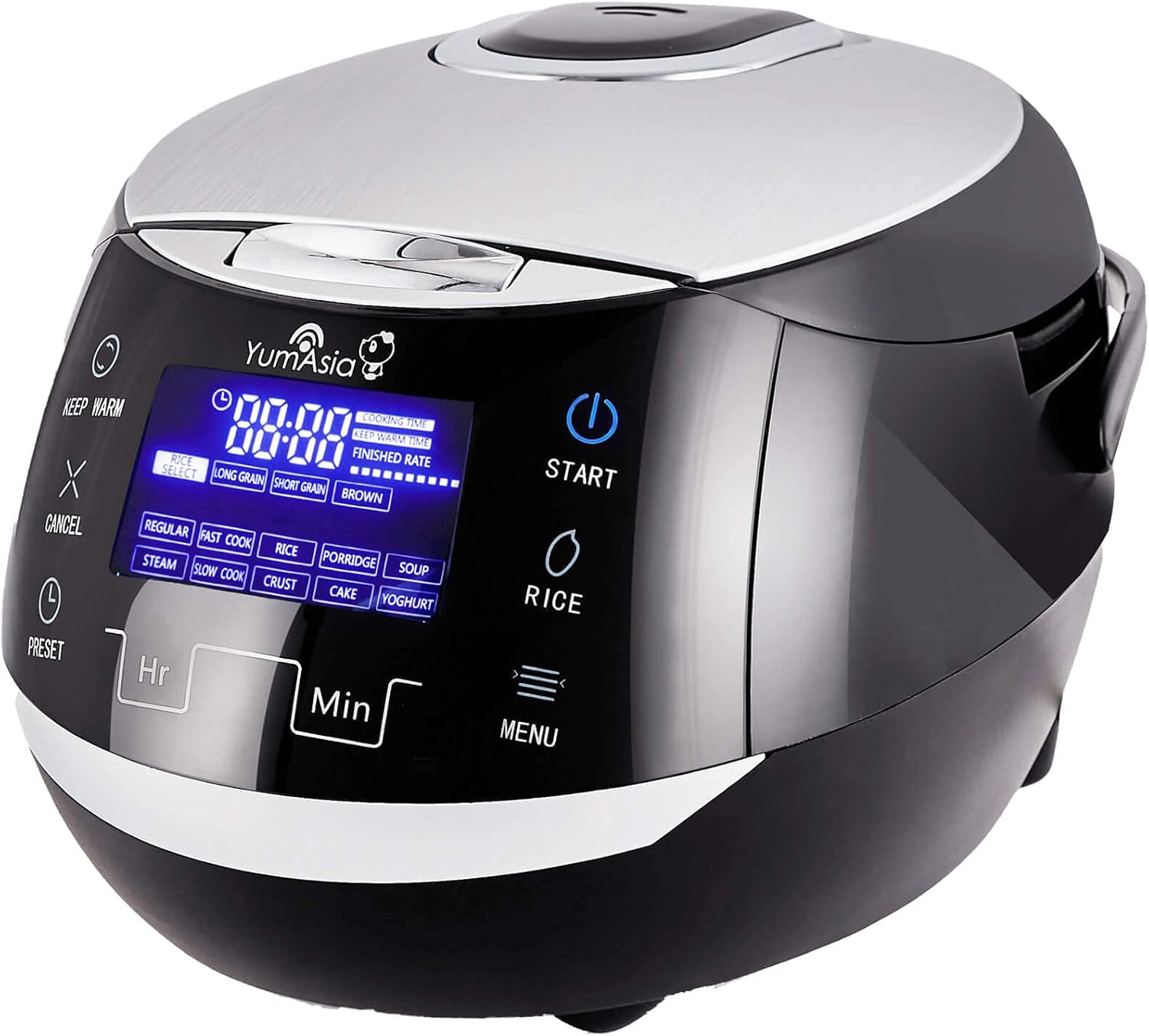
Best Rice Cooker for Sushi Rice - Top 4 Picks
For sushi rice, the Zojirushi NS-ZCC10 is the clear winner with its dedicated Sushi preset and Neuro Fuzzy logic. Budget buyers should consider the Aroma ARC-914SBD.
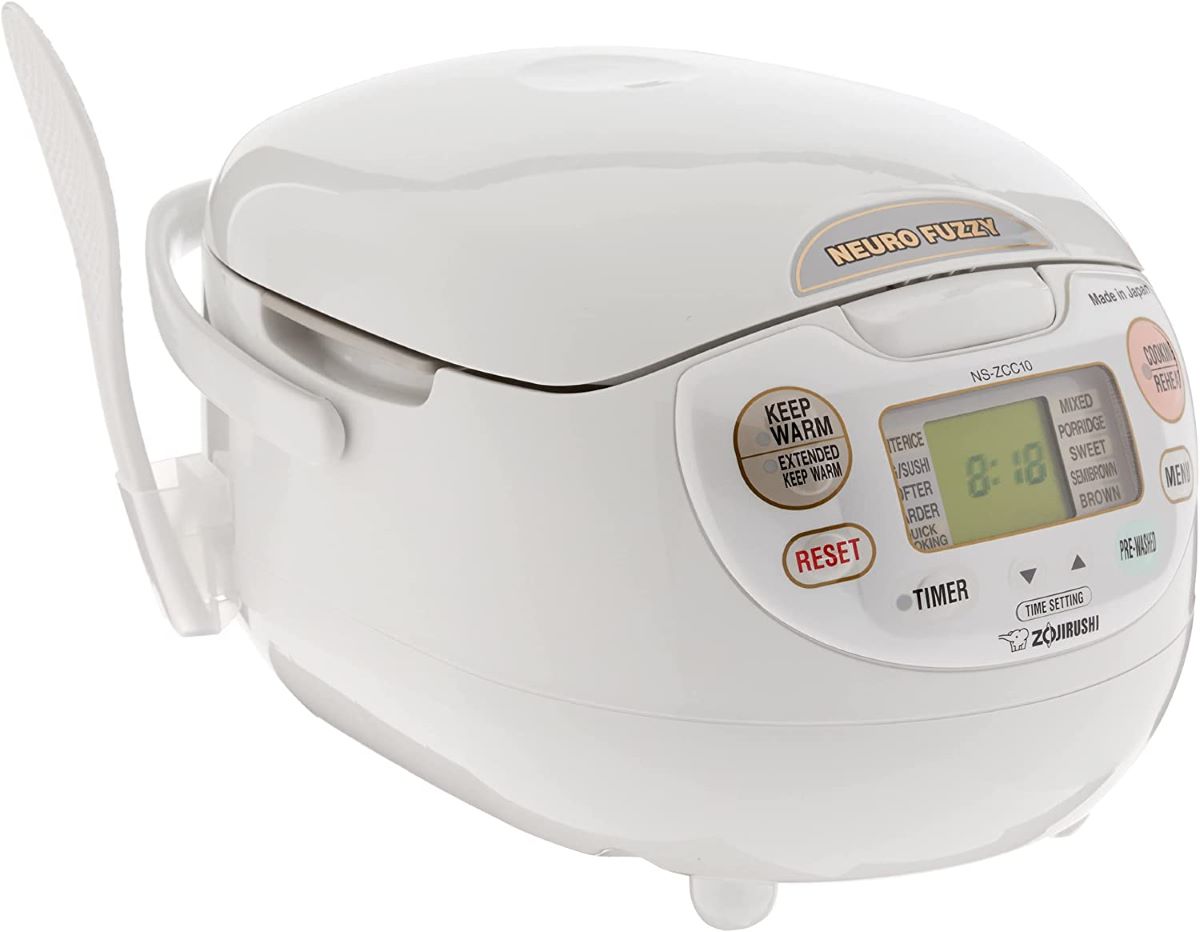
Zojirushi NS-ZCC10 Review: The Neuro Fuzzy Legend
The gold standard of fuzzy logic rice cookers. If your budget allows, this is the one to buy.
The 5 Best Fuzzy Logic Rice Cookers (Tested)
For perfect, restaurant-quality rice at home, you need a rice cooker with real fuzzy logic. After extensive testing, the Zojirushi NS-ZCC10 and Tiger JBV-A10U remain our top picks for 2026.
Ready to Upgrade Your Rice Game?
The LEQC Hangiri Sushi Rice Tub Set is waiting for you. Perfect rice, every time.
Buy on Amazon 🍚 🛒